Welcome2Britain

Home » Articles posted by Welcome2Britain (Page 6)

Author Archives: Welcome2Britain

What is Great Britain? England, Scotland, Wales, Ireland.

Great Britain is an island lying off the north-western coast of mainland Europe and to the east of Ireland, comprising the main territory of the United Kingdom. Great Britain is also used as a political term describing the combination of England, Scotland, and Wales, which together comprise the entire island and some outlying islands. Great Britain is also widely, though incorrectly, used as a synonym for the sovereign state properly known as the United Kingdom of Great Britain and Northern Ireland. However, it should be noted that in the United Kingdom’s own television coverage of the Olympic Games, the athletes from the United Kingdom team are referred to as the Great British team, in turn under the abbreviation “GB.”

Britain was the name made popular by the Romans when they came to the British islands.Great Britain

Where is Great Britain? Great Britain is an island lying off the western coast of Europe, comprising the main territory of the United Kingdom.

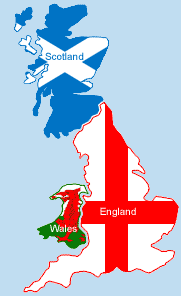
What is Great Britain?  Great Britain is the official name given to the two kingdoms of England and Scotland, and the principality of Wales.

Great Britain is made up of:
•England – The capital is London.
•Scotland – The capital is Edinburgh .
•Wales – The capital is Cardiff.

Is Great Britain the same as the UK? No, Great Britain and the United Kingdom refer to different areas.

Great Britain is very often, but incorrectly, used as a synonym for the sovereign state properly known as the United Kingdom of Great Britain and Northern Ireland or the UK for short.

If you look at the full name of the UK, you will see that the UK includes Great Britain AND Northern Ireland.

England

England used to be known as Engla land, meaning the land of the Angles, people from continental Germany, who began to invade Britain in the late 5th century, along with the Saxons and Jute.

Great Britain

The term Great Britain was first used during the reign of King James I of England (James VI of Scotland) in 1603, to refer to the separate kingdoms of England and Scotland. on the same landmass, that were ruled over by the same monarch. Despite having the same monarch, both kingdoms kept their own parliaments.

United Kingdom (The uniting of kingdoms)

The ‘United Kingdom of Great Britain’ was formed in 1707 by the Act of Union that created a single kingdom with a single Parliament. (Scotland has always retained its own legal system)

A hundred years later the Act of Union of 1801 joined Ireland to ‘Great Britain’ and the name “United Kingdom of Great Britain and Ireland” was first used. (Since 1921 only Northern Ireland has been part of the United Kingdom and so the name changed).

Link: http://resources.woodlands-junior.kent.sch.uk/customs/questions/britain/britain.htm
Link: http://en.wikipedia.org/wiki/Great_Britain

Travel Editor
Welcome2Britain – The Small Group British Tour Experts

Experience the majesty of England’s most famed and beautiful castle’s

English Castles 2 Day Tour – New exclusive tour for 2013

 Travel into history on this 2 day private chauffeur driven English Castles Tour and experience the majesty England’s most famed and beautiful castles. English Castles originated in the 9th and 10th centuries. Noble Lords built castles to control the area immediately surrounding them, Castles were both offensive and defensive structures; they provided a base from which raids could be launched as well as protection from enemies. Although their military origins are often emphasised in castle studies, Castles also served as centres of administration and symbols of power. Urban castles were used to control the local populace and important travel routes, and rural castles were often situated near features that were integral to life in the community, such as mills and fertile land.

Itinerary for 2 Day Tour of English Castles DAY 1 – 9am start (0930 weekends)Hever Castle Tour

  • Windsor Castle. Windsor is the oldest and largest occupied castle in the world and the Official Residence of Her Majesty The Queen. Its rich history spans almost 1000 years.
  • Wardour Castle Now a ruin, Wardour Castle was built in the 14th century as a lightly fortified luxury residence for comfortable living and lavish entertainment.
  • Highclere Castle The Golden Globe winning Downton Abbey was brought to life at Highclere Castle. It sits on 1,000 acres of parkland and it has been the country seat of the Earls of Carnarvon since 1679.
  • Amberley Castle The luxury castle where you will spend the night. Hidden away for 900 years near the picturesque village of Amberley in the chalk South Downs, Amberley Castle is a magnificent historical treasure that offers a truly unique experience. Through the Portcullis and 60 ft curtain walls you will find beautiful landscaped gardens, fine examples of medieval architecture and an unrivalled atmosphere of peace and tranquility.

DAY 2 – 9am start (0930 weekends)                

  • Arundel Castle The seat of The Dukes of Norfolk and set in 40 acres of sweeping grounds and gardens, Arundel Castle has been open to visitors seasonally for nearly 200 years. It is one of the great treasure houses of England, each having its own unique place in history and is home to priceless works of art.
  • Leeds Castle Set in 500 acres of beautiful parkland, a visit to Leeds Castle in the garden of England is full of discovery. Visitors are transported through the castleʼs history; an eclectic mix of period architecture, with sumptuous interiors and family treasures.
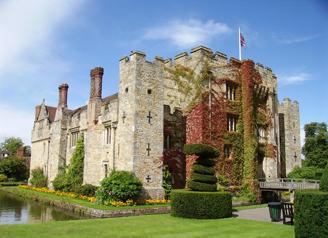
  • Hever Castle The childhood home of Anne Boleyn, it later passed into the ownership of Henryʼs fourth wife, Anne of Cleves.
  • Dover Castle Spectacularly situated above the White Cliffs on the Kent coastline this magnificent castle boasts

     Chauffeur Driven Tour Chauffeur driven tours are a luxurious but affordable solution to sightseeing in style. We take you away from the crowded streets and buses on an intimate tour in a private vehicle, guided by your professional chauffeur, who gives you personal attention and courtesy throughout the experience, including hotel pick up/drop off and numerous photo opportunities, and of course a chance to savour each location at a more leisurely and intimate pace. Make no mistake, there is no better way to travel!

Overnight Tour Details: http://www.welcome2britain.com/english-castles-sightseeing-overnight-tour.htm

Travel Editor
The Small Group Tour Experts

Private Guided Tour: ‘Downton Abbey’ Film Locations Tour by Private Chauffeur

Go back to the Edwardian era on this three-hour private tour of sites from the popular television period drama ‘Downton Abbey.’ This is an amazing opportunity for fans of the TV show to travel in style with a private driver to chauffeur you around – just like the Crawleys themselves! Visit major filming locations, including Highclere Castle (the real-life Downtown Abbey) and the village of Bampton (the real-life Downton village).

Highlights

  • Downton Abbey tour of London with a personal chauffeur/guide
  • Visit the filming locations of the successful British TV show
  • See the beautiful Highclere Castle and the picturesque Oxfordshire village of Bampton
  • Private tour ensures a privileged, personalized experience and flexibility to explore at your own pace

Why Our Insiders Chose This Tour

If you love Downton Abbey, you can’t miss this opportunity to visit key filming locations in a spacious private car with your own personal chauffeur. Being able to go at your own pace means you’ll have plenty of time for pictures!

What You Can Expect

Private Tour: 'Downton Abbey’ Film Locations Tour by Private Chauffeur                Private Tour: Downtown Abbey Film Locations Tour by Private Chauffeur

Head west of London for a day of Downton Abbey sightseeing! After pickup from your central London hotel in a spacious luxury vehicle, your private tour guided by a professional chauffeur will take you out to Highclere Castle, known to Downton Abbey fans as the home of the Earl of Grantham and his aristocratic family. Highclere is used for both exterior and interior filming for the show. If you think the castle is stunning on television, you’ll be absolutely amazed by its appearance in person as you admire its stately Jacobethan style and dramatic façade.
Next, continue following the Crawley family and their servants as you make the drive to Bampton, a village in Oxfordshire where many outdoor scenes of the fictional village of Downton were filmed. Admire the well-preserved village with its charming main street and historical buildings, some of which date to the 12th century.
Your day tour ends as you are returned to your London hotel.
Please note: Entrance fees to the grounds and gardens of Highclere Castle are included in the booking price, however, entrance fees into the castle and exhibition are not included due to limited availability.
The Small Group Tour Experts
Welcome2Britain – www.Welcome2Britain.com

Trooping the Colour: The Queen’s Birthday Parade

Overview

London celebrates The Queen’s official birthday in June each year with Trooping the Colour, a fantastic military parade that has taken place in London since 1820.

About Trooping the Colour in London

Trooping the Colour is an annual event that takes place on Horse Guards Parade in London’s St James’s Park in June, marking The Queen’s official birthday.

The ceremony of Trooping the Colour is full of military pomp and pageantry as The Queen carries out an inspection of the troops from the Household Division.

The Queen then leads the troops down the Mall to Buckingham Palace, one of London’s most famous landmarks.

The Queen salutes and guns are fired in Green Park and at the Tower of London. Finally she joins other members of the Royal Family on the balcony to watch the RAF flypast.

The History of Trooping the Colour in London

After existing in various forms from around 1700, the Trooping the Colour ceremony was restored in 1820 on the accession of King George IV.

The main aspects of the parade have changed very little since then. Trooping the Colour has been held each year in London, apart from during the world wars and a national rail strike in 1955.

Although the official birthday is celebrated in June, Queen Elizabeth II’s actual birthday is in April. Monarchs are traditionally given a second birthday if they were born in winter, in case the weather is unsuitable for an outdoor event!

Tickets for Trooping the Colour in London

Tickets for the Trooping the Colour are available to the public, however they must be applied for in writing in January or February and are then allocated by ballot. Applicants will be informed by mid-March if they have been successful.

If you’re not lucky enough to get a ticket for Trooping the Colour, you can join the crowds of spectators along the Mall to watch all the action.

Alternatively there are rehearsal events held on the two Saturdays before Trooping the Colour: The Major General’s Review and The Colonel’s Review.

Vist London: http://www.visitlondon.com/things-to-do/event/8974720-trooping-the-colour

Small Group Tour Experts
www.Welcome2Britain.com

Did you know? Some lesser-known facts about Britain’s top attractions

You’ve probably heard of all these places, but there are a few fun facts you probably didn’t know we think you might like…

Windsor Castle

Windsor Castle by Buddhacat1 on Flickr
Photo by Buddhacat1 on Flickr

We’re lucky to have Windsor Castle. Not only did it survive two sieges, but in 1649 it survived a bill for its demolition too – by just one vote!

Tower of London

Tower of London by xiquinhosilva on Flickr
Photo by xiquinhosilva on Flickr

Despite being built to withstand serious onslaught by enemy troops and siege machinery, the only time the Tower of London was ever breached was actually by a riotous band of peasants during the Peasants’ Revolt of 1381.

Clifton Suspension Bridge

Clifton Suspension Bridge by yoJoebosolo on Flickr
Photo by yoJoebosolo on Flickr

One of Bristol’s most beautiful spots would have been the scene of a tragedy if it wasn’t for Victorian ladies’ fashion. In 1886, Sarah Ann Henley threw herself from the bridge after an argument with a lover, but her billowing crinoline petticoats helped to slow her fall and cushioned her landing. She landed in the mud, and though injured, she survived and lived until 1948.

Stirling Castle

Stirling Castle

Stirling Castle was the scene of Scotland’s first recorded attempt at flight. It was way back in 1507, and the hopeful aviator was Italian alchemist John Damian. Unfortunately, the feathered wings Damian had built for the purpose proved ineffective: he crashed ignominiously into a dunghill and broke his leg.

The Lake District National Park

Scafell Pike by asands on Flickr
Photo by asands on Flickr

The Lake District is a place of many superlatives. It’s the largest National Park in England, taking up about 1% of Britain’s landmass. It’s also home to England’s highest mountain (Scafell Pike), its deepest lake (Wastewater) and its wettest inhabited place (Seathwaite).

More great blogs from Visit Britain:  http://www.visitbritainsuperblog.com

Travel Team
The Small Group UK Touring Expertswww.Welcome2Britain.com


Curry, the O2 and Banksy – the very best of England: Tourism chiefs have come up with a roster of 101 ‘must-do’ activities

See Naples and die, goes the saying, such was the Italian city’s erstwhile fame for beauty and magnificence. Taking inspiration from such sentiments, tourism bosses in England have produced a “bucket list” of 101 things to do and see before you expire – or worse, holiday abroad.

The full list, to be revealed on Tuesday to mark St George’s Day, features staple favourites such as visits to Stonehenge, the Tower of London and Buckingham Palace. But it also contains some more unusual suggestions, such as rampaging around in the treetops of Sherwood Forest or going on a bat patrol.

1-best-of-englandHere The Independent on Sunday looks at 10 of the most surprising “must-dos” and 10 of thosedeemed too eccentric to make the list:

Start the day with a full English breakfast in London’s East End, at E Pellicci, an Italian café in Bethnal Green that’s been in the same family since it opened in 1900.

Visit John Rylands Library at the University of Manchester and see 15th-century accounts of witchcraft, the oldest piece of the New Testament, and a first edition of Shakespeare’s sonnets.

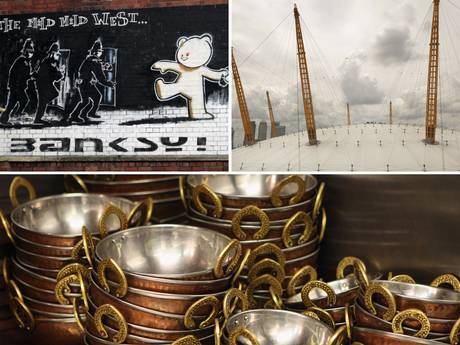
Walk across the top of the O2 in Greenwich, London. The venue is 52 metres high with a diameter of 365 metres, and people can arrange to go on the top of the dome.

Go in search of damsels and dragons – the insect variety – by visiting Wicken Fen nature reserve in Cambridgeshire, home to thousands of types of plants, otters, water voles, dragonflies and birds.

Mix martinis in James Bond’s spiritual home – Dukes Hotel in St James’s Place, London – and follow in the footsteps of the Bond author Ian Fleming, who used to drink there.

Curry is a “national treasure”, according to Visit England, who recommend visiting the Sparkhill, Balsall Heath and Moseley areas of Birmingham – Britain’s curry capital.

Have a night on the toon in Newcastle – a city with some of the “friendliest folk you’ll ever meet” say tourism bosses. Not to mention a “cool yet unpretentious arts scene”.

Take to the treetops in Sherwood Pines, Nottingham, where you can charge around almost 10 metres above the ground, and go down a 140m-long zip line between the trees.

Trawl the back streets of Bristol in search of Banksy graffiti. Stokes Croft is home to the artist’s Mild Mild West mural, and some of his earliest works can be found in Easton.

Join a bat patrol at Cheddar Gorge, Somerset. With the help of an ultra-sonic bat detector, you can wander around Gough’s Cave and Cox’s Cave – home to endangered greater horseshoe bats.

No room in the 101

The list of 101 things to do was whittled down from more than a thousand nominations. Here are 10 of the more unusual ones which didn’t make the cut.

The world gravy wrestling championships – an annual highlight in the village of Stacksteads, Lancashire; a gnome reserve in Bradworthy, Devon, home to more than 2,000 gnomes. Europe’s smallest cinema – Screen 22 in Nottingham; Barter Books, Alnwick, where the “Keep Calm & Carry On” poster was re-discovered; Thrust SSC – the world’s fastest car – at Coventry Transport Museum; the SkyWalk at Blackpool Tower; Chester Clock; “glamping”; Ryde Pier (the oldest in the world); the spire at the Church of St James in Dry Doddington, which leans one degree more than the Tower of Pisa; a stay in a gipsy caravan; donkey rides in Scarborough; a speed boat ride along the Thames; Affleck’s, Manchester; the National Space Centre, Leicester; and the view from The Shard in London.

See the full list at: www.101thingsto doinengland.co.uk

Article by Jonathan Owen : http://www.independent.co.uk

Welcome2Britain
The Small Group Tour Experts

UK Sightseeing. Small Groups are more fun!

Why small groups ? With a maximum group size of just 16, we keep the experience and enjoyment both as individual and as personal as possible. Typically, a group consists of half couples or friends and half individuals t alone. Our tours attract people of all ages, backgrounds and nationalities but united in a desire to break away from regimented, impersonal big coach tours.

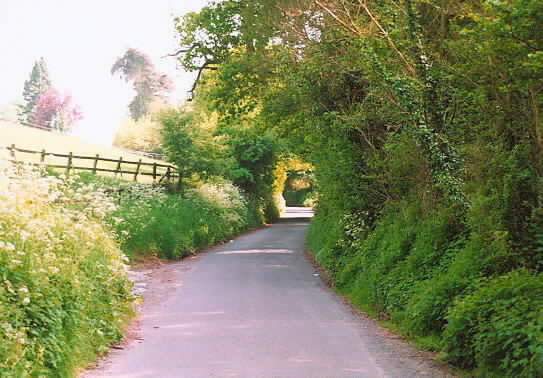
Country Lane Exploration with small groups

Country Lane Exploration

Small groups are environmentally more friendly and their effect less disruptive to local communities. It also means you get the chance to get away from crowded tourist haunts, taking scenic backroads to places you may not have heard of, but wouldn’t want to miss.

Small groups leave fewer footprints.

Luxury Travel – Choosing OUR small group tours doesn’t mean you compromise on comfort or safety. We use recent models Mercedes mini coaches (less then 3 years old) – coaches renowned for their reliability and safety, custom built to our specification for your comfort – huge panoramic windows for the very best views above the hedgerows, high backed coach seats, 3 point seat belts, air conditioned and a first class sound system

All the features of a big coach without all the passengers!

About Our Guides – Our guides are carefully selected for their personality, wide knowledge and genuine enthusiasm for our style of tours. Never boring – you will find them informative, professional but down to earth with a real passion for showing you the very best of Britain ! They pride themselves on entertaining you with tales of England’s rich history, culture and legend to ensure a memorable experience of the real England. Of course all our drivers and guides are trained to meet the high standards of the London Tourist Board’s ‘Welcome Host’ program

Affordable Quality- Relevant entrance fees are included (some tours include lunch in historic pub). – NO HIDDEN EXTRAS

We have PRIORITY ENTRANCE into all attractions. No QQQQQQ’s – more time to explore

We GUARANTEE that you wouldn’t be able to visit the same places in one day, or at a cheaper price, by raveling independently using public transport

Small groups are environmentally more friendly and their effect less disruptive to local communities

Doing it once ? Do it properly!

The Small Group Touring Experts

http://www.Welcome2Britain.com


Stonehenge Stone Circle Access 2013

Stone Circle Access visits take place outside the normal opening times at Stonehenge, and are very early in the morning or late in the evening, and are not offered during the normal opening times.

Wiltshire-20120810-00773Special Access Stonehenge

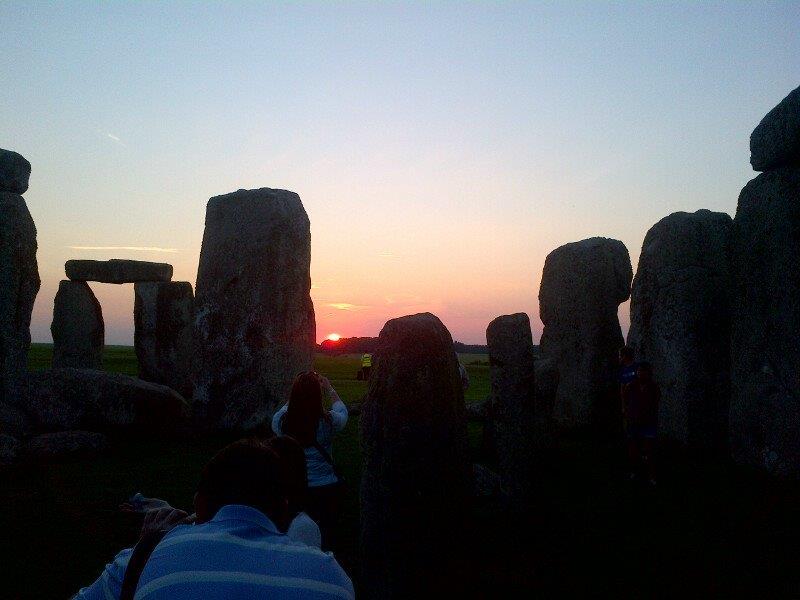
We have arranged with English Heritage for you to experience a unique guided visit to this ancient sacred site – beyond the fences and after the crowds have gone home. Walk amongst the stones and experience the magical atmosphere within the inner circle.

For those of you who have not visited this sacred site, we should mention that the complex is roped off. Visitors observe the stones from a distance and are not permitted within the temple complex. Our special access tours allow you to be amongst the stones. Your guide will bring to life its many myths, legends and rich and fascinating history.

Stonehenge Private Access Tours – Go beyond the fences! 

In addition our regular ‘scheduled group tour’ departures we are often able to get permission from the English Heritage for additional ‘inner circle’ tours for small groups (1-16 persons). These customised trips can be at sunset or sunrise times depending on availability. These private bespoke tours can also include Salisbury, Avebury, Bath, or Windsor Castle etc and can depart from London, Salisbury or Bath. This can often be cheaper than joining a scheduled tour, offers more flexibility, more personal and a better allround experience.

Email us your desired dates and group size for a prompt reply (Stonehengeaccess@welcome2Britain.com)

Stonehenge Special Access Tours – click here
Stonehenge Access Customised Tours – click here

Small Group Tours of England and Scotland
http://www.Welcome2Britain.com

Happy 200th birthday, Pride and Prejudice

It’s 200 years this month since literary classic Pride and Prejudice was published. To celebrate, here’s a roundup of the top five most beautiful Jane Austen settings

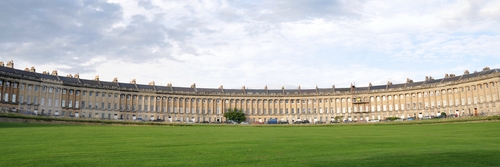
Bath. Royal Crescent

Bath. Royal Crescent

A little about Austen

Jane Austen grew up in the beautiful village of Steventon, Hampshire, from 1775-1800. It was in this delightful chocolate box village that Jane Austen wrote three of her most famous novels: Pride and Prejudice, Northanger Abbey and Sense and Sensibility.

In the summer of 1783, when Jane was 12 years old, she was sent to Oxford to be taught with her sister Cassandra; later they studied in Southampton before their schooling was curtailed due to constraints on the family finances. Jane returned to the family home at Steventon Rectory in 1787, where she remained for adolescence and discovered her passion for writing. Jane moved with her family to Bath at the age of 26, where they lived for five years (1801-1806) in a beautiful town house. It was through friends that she met Harris Bigg-Wither, an intellectual educated in Oxford, who proposed to her but whom she eventually turned down.

Austen Adventure

Bath

Bath is a beautiful and historical city holding a romantic and captivating charm. Bath is designated as one of only three ‘world heritage cities’ in England. Jane Austen is Bath’s most famous resident. The city plays host to a delightful museum in memory of Jane herself, with exhibitions and a delightful regency tearoom to enhance your Jane Austen experience! There is also the change to go on a walking tour of the city and explore them through the eyes of Jane Austen. Bath holds a yearly Jane Austen Festival spanning over 9 days. This year the festival lasts from 13th to 21st September 2013.

Stourhead Gardens

Stourhead is already renowned for its beautiful landscaped gardens, heightened when it featured as a setting for the recent film Pride and Prejudice starring Keira Knightley as Elizabeth Bennett. Elizabeth stands in the Apollo Temple, a romantic setting in Stourhead (where many people are married nowadays) rejects Mr. Darcy and she runs along the famous Palladian bridge across the lake. Taking a walk round Stourhead is just like stepping into a beautiful Jane Austen novel. The gardens were designed to look beautiful all year round, showing off the colours of spring, summer autumn and winter. This makes them a perfect visiting place anytime of year.

Lacock

Lacock VillageSet in rural Wiltshire, Lacock is an untouched treasure dating back to the 12th century. The picturesque village is delightful to walk around, with surrounding countryside on the doorstep and plenty of regular events, there will always be something to do. The streets of Lacock were the background to a scene in the BBC’s 1995 adaptation of Pride and Prejudice. Lacock for a short while was turned into the village of Meryton, featured in Pride and Prejudice. Don’t miss the beautiful Abbey while you’re there, a filming location for the Harry Potter films, and also home to the late William Henry Fox Talbot – a contributor to the invention of photography.

Hampshire

The county of Austen’s birth and the place where she is buried, Hampshire gave Austen inspiration for some of her best novels. Hampshire offers museums, homes and the church Austen spent most of her time in. She is buried in Winchester Cathedral, where she has three memorials. She wrote many of her most famous novels here, gathering inspiration from many of the friends and places in the area she grew to love. After a visit to Hampshire you might start to notice how aspects of her books are based on this beautiful county.

London

Jane Austen visited London many times during her lifetime. The most important visits were during her late 30s. Austen was becoming a celebrated author and had to visit her publishers and correct proofs of her work

Conveniently she stayed with her brother Henry, who also helped her in the negotiations to sell her books. On a visit to London searching for Austen – stop by 10 Henrietta Street, only 100 yards from the market at Covent Garden. Jane Austen stayed here (her brothers house) twice between 1814-1815 and there is a clear plaque upon the wall so you can’t miss it.

Words by Lucy Blackall: http://www.countryfile.com

We operate daily ‘small group’ tours visiting Bath and Lacock Village.
Jane Austin Tours:  http://www.welcome2britain.com/uk_day_tours.htm

Welcome2Britain: The Small Group Tour Experts

Visit Salisbury and Wiltshire

Salisbury: mystical city Ancient landmarks, idyllic vistas and a thriving culture scene give this vibrant city a romantic atmosphere. There are plenty of reasons to visit … (Article extracted from the Guardian: http://www.guardian.co.uk)

Historical high points The only city in Wiltshire has an incredible heritage. In 1069, William the Conqueror built a wooden castle at Salisbury Hill, overlooking a small settlement with a mint and a market. In 1220, building work started on Salisbury Cathedral, a key part of our country’s history too. Its construction was masterminded by William Elias of Dereham, one of the key negotiators of the Magna Carta. You can find one of the finest preserved copies of the 1215 charter inside the gothic cathedral, as well as 332 steps up Britain’s tallest spire. After your tour of the building, take a trip to Salisbury Museum. The atmospheric Grade I-listed, 13th-century building houses a fine collection of prehistoric and medieval artefacts.

The construction of Salisbury Cathedral was masterminded by William Elias of Dereham, one of the key negotiators of the Magna Carta. Photograph: Greg Funnell for the GuardiaThe construction of Salisbury Cathedral was masterminded by William Elias of Dereham, one of the key negotiators of the Magna Carta. Photograph: Greg Funnell for the Guardian

Ancient and mystical monuments Just beyond the compact city lies a magical prehistoric landscape. Explore it with the experts, Spire Travel, who offer luxury one-day tours. You’ll take in the Unesco world heritage site Avebury and Stonehenge, which was completed 3,500 years ago and is thought to have been a temple for worshipping the sun and the moon. The megalithic henge and stone circles, looked after by English Heritage, are considered to be the most important prehistoric earthworks in Europe. For an unforgettable experience, snap up limited camping places for the summer or winter solstice.

Green and pleasant land The ancient sites are surrounded by glorious Wiltshire countryside. Hudson’s Field, situated below the remains of the iron age hillfort Old Sarum, is ideal for walkers and kite-flyers. Further into the city, you can cycle or walk around the water meadows and river banks that captivated English Romantic painter John Constable from his first visit in 1811. There are three main parks to stroll through, as well as several open spaces. Alternatively, go on a romantic adventure through the area by VW campervan: Stonehenge Campervans have three to hire.

Cultural corners There’s a thriving arts scene in Salisbury and a strong theatre tradition that helped to launch the careers of household names such as Prunella Scales and Kenneth Williams. The Salisbury Playhouse is the south-west’s leading producing theatre, while one of this year’s cultural highlights will be the Salisbury international arts festival (24 May to 8 June). One high point is King Lear, which will be performed at 14th-century Old Wardour Castle in Tisbury, a historic village 13 miles from the city and the site of a bronze age settlement. Refresh en route in the local tearooms and bookshop, Beatons; they have 25 varieties of loose tea.

Shop, drink, then drop Thanks to its annual fair, Salisbury has been a shopping destination since 1075. Two current gems are the art and design studios at Fisherton Mill and the Cambridge Wine Merchants. As the city has been awarded a Purple Flag for the quality of its nightlife, head to The Chapel or The Cathedral Hotel for a cocktail before checking into your hotel. Luxury city-centre accommodation includes the Grade II-listed Milford Hall. Or try a more rural experience at Shepherds Hut at Marshwood Farm, Dinton, close to the city (pictured left).

Getting there

Salisbury is well connected to the majority of the UK, by road via the A30 and M3, and by the city’s train station.

From London: 90 minutes by road, and one hour and 20 minutes on the train from Waterloo. Prices from £34.70 From Bristol: one hour and 10 minutes. Prices from £4 From Birmingham: two hours and 50 minutes. Prices from £28.50

We operate daily small group guided tours from London visit Salisbury Cathedral, Stonehenge and Avebury.  Please visit our website for full  details

Welcome2Britain
The Small Group Tour Experts

Design a site like this with WordPress.com
Get started